Healthy Aging and Cognitive Wellness: What Changes and What Does Not
What genuinely shifts in cognition with age, what is normal, what warrants a doctor, and which habits have the longest reach.
Some of what changes cognitively with age is genuinely age. A good deal of what gets attributed to age is something else — and the difference matters enormously, because one category is expected and the other is often treatable.
What Normally Changes With Age, and Where MemoHoney Fits
Cognition is not a single thing that rises and falls together. Different capacities follow different trajectories, and this is one of the more reassuring findings in the field.
What tends to decline
Processing speed slows, the most consistent age-related change. Working memory capacity reduces somewhat. Retrieving specific words becomes slower — the tip-of-the-tongue experience becomes more frequent, though the word is usually still there. Divided attention becomes harder.
What tends to hold or improve
Vocabulary generally keeps growing into later life. Accumulated knowledge and expertise remain intact. Emotional regulation often improves. And procedural memory — how to do things — is largely preserved.
The practical upshot: slower retrieval of a name is a normal feature of an ageing brain, not an early warning. Being unable to recall a familiar route home is a different matter entirely.
What Is Not Normal, and Not a MemoHoney Question
This is the most important section on the page, and we would rather you acted on it than bought anything.
Speak to a doctor if you or your family notice: difficulty completing familiar daily tasks, getting lost in familiar places, repeatedly asking the same question within a short period, problems following or joining a conversation, misplacing things in unusual locations, marked changes in judgement, or withdrawal from activities previously enjoyed.
These deserve assessment, and the reason is genuinely hopeful. A number of causes of memory difficulty are reversible when found: thyroid dysfunction, B12 deficiency, depression, medication side effects, sleep apnoea, and infections in older adults. A doctor can test for these; a supplement can only delay finding them.
The Habits With the Longest Reach, Beyond MemoHoney
Research on long-term cognitive outcomes points fairly consistently to a set of modifiable factors. None is a guarantee — this is about shifting probabilities across decades — but the list is well supported.
- Blood pressure control in midlife. One of the strongest associations in the literature, and one of the most treatable.
- Regular physical activity, particularly aerobic.
- Not smoking, and keeping alcohol moderate.
- Hearing loss addressed. This surprises people. Untreated hearing loss is repeatedly associated with worse cognitive outcomes, and hearing aids are among the more concrete interventions available.
- Managing diabetes and cardiovascular risk.
- Staying socially connected, which appears in this research more consistently than most people expect.
- Continued mental engagement — learning, reading, complex activity. The evidence is better for genuinely novel challenge than for brain training apps.
- Sleep, treated as non-negotiable.
Where a Daily Supplement Like MemoHoney Belongs
Beneath all of it, and it would be dishonest to place it anywhere else. The list above has decades of research behind it. A nutritional supplement operates at the margin, and its ingredients — including L-arginine and niacin — have research bases largely concerning other applications.
The people who age best cognitively are not the ones with the best supplement cupboard. They are the ones who kept their blood pressure down, kept moving, kept their hearing checked, kept company and kept using their minds. That is a duller answer than most of this industry sells, and it is the accurate one.
Where MemoHoney fits. It is a daily nutritional product for general cognitive wellness — not a treatment for any condition, and no substitute for the medical monitoring described above. See what is in the formula or read how the daily routine works.
More From the MemoHoney Library
Building a Focus Routine You Will Still Be Doing in a Year
Most routines fail for structural reasons rather than motivational ones. How to design one around the week you actually have.
Nutrition · 10 minNutrition and Mental Performance: The Boring Fundamentals
Blood sugar, hydration, omega-3s and alcohol — the four dietary variables that most affect day-to-day thinking, without a diet plan attached.
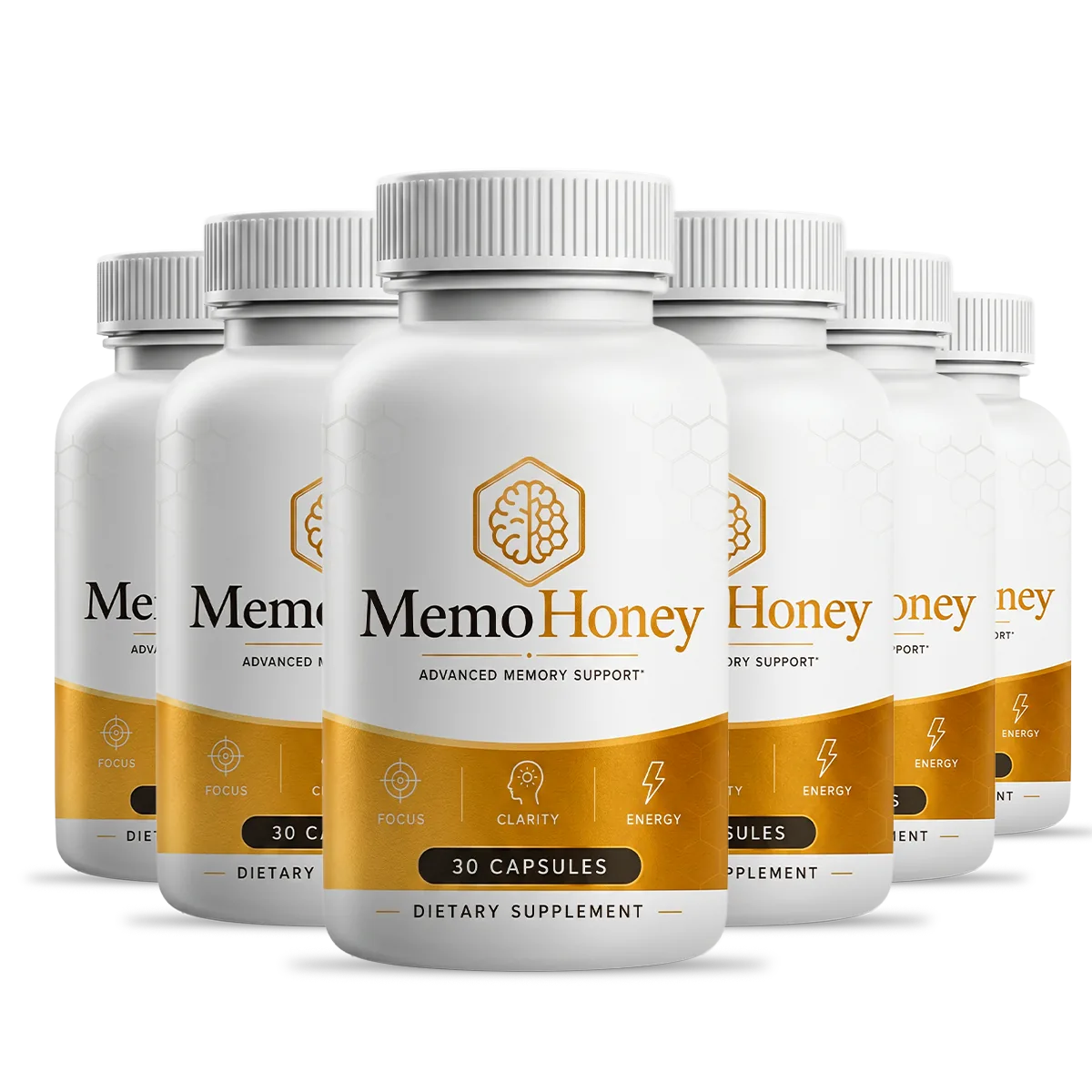
Make MemoHoney Part of Your Daily Focus Routine
A daily cognitive wellness formula built on six selected nutrients, taken as one capsule each morning. Free US shipping on the three and six-bottle packages, five digital bonuses on qualifying orders, and a 60-day satisfaction guarantee.
From $49 per bottle on six · 60-day guarantee · Stimulant-free formula