Building a Focus Routine You Will Still Be Doing in a Year
Most routines fail for structural reasons rather than motivational ones. How to design one around the week you actually have.
Most wellness routines fail. Not because people lack discipline, but because the routine was designed for an imaginary week — one with no work crisis, no illness, no travel and no evening that runs late. Real weeks contain all of those, and a routine that only survives ideal conditions is not a routine.
Designing a Routine That MemoHoney Can Actually Fit Into
Design for your worst week, not your best
This is the single most useful principle available. When motivation is high, people build ambitious plans. It works for a fortnight. Then a genuinely difficult week arrives, the plan becomes impossible, and the whole structure collapses rather than degrading gracefully.
The alternative is to build the minimum version first — whatever you could sustain during a bad week — and treat anything beyond it as a bonus. Two walks a week you never miss beat five you abandon in March.
Anchor habits to existing ones
New behaviours relying on memory fail, which is a particular problem when the thing you are trying to remember is a memory supplement. New behaviours attached to something already automatic tend to survive, because the existing habit does the remembering.
The pattern is: after [thing I already do], I will [new thing]. After the kettle boils, I take the capsule. After I put my laptop down, I go for the walk. It sounds trivially simple and it substantially outperforms intention.
Reduce the activation cost
The difficulty of starting matters more than the difficulty of the activity. The bottle on the kitchen counter gets used; the bottle in a cupboard does not. Walking shoes by the door get worn.
Change one thing at a time
Simultaneously starting a diet, a sleep schedule and a supplement is the fastest way to learn nothing. If things improve you cannot attribute it; if something disagrees with you, you cannot isolate it. And three simultaneous changes are far more likely to collapse together than one is to fail alone.
What Belongs in the Routine, With MemoHoney Near the Bottom
Ordered by likely return:
- A consistent wake time, seven days a week.
- Aerobic movement most days, at whatever intensity you will actually do. Walking counts.
- Blood pressure known and managed. Unglamorous, and one of the strongest associations with long-term cognitive outcomes.
- Protein and vegetables at most meals.
- Genuine mental challenge — something new and difficult rather than a puzzle you are already good at.
- Social contact, consistently the first thing dropped when life gets busy.
- A daily supplement, if you want one. Last, deliberately.
That placement is honest rather than modest. A supplement belongs after the items above, not instead of them. Its one genuine advantage is being among the easiest habits to maintain — one capsule with breakfast requires no time and no willpower, which is exactly why it should not be mistaken for the important part.
The related question of why consistency beats intensity is covered in a separate article.
Where MemoHoney fits. One capsule with breakfast is a low-friction habit by design, which makes it easy to keep — and easy to overrate relative to sleep and movement. See what is in the formula or read how the daily routine works.
More From the MemoHoney Library
Everyday Habits for Memory Support: Why Consistency Wins
The unglamorous case for doing a small thing repeatedly, and why the wellness industry has every incentive to sell you the opposite.
Longevity · 12 minHealthy Aging and Cognitive Wellness: What Changes and What Does Not
What genuinely shifts in cognition with age, what is normal, what warrants a doctor, and which habits have the longest reach.
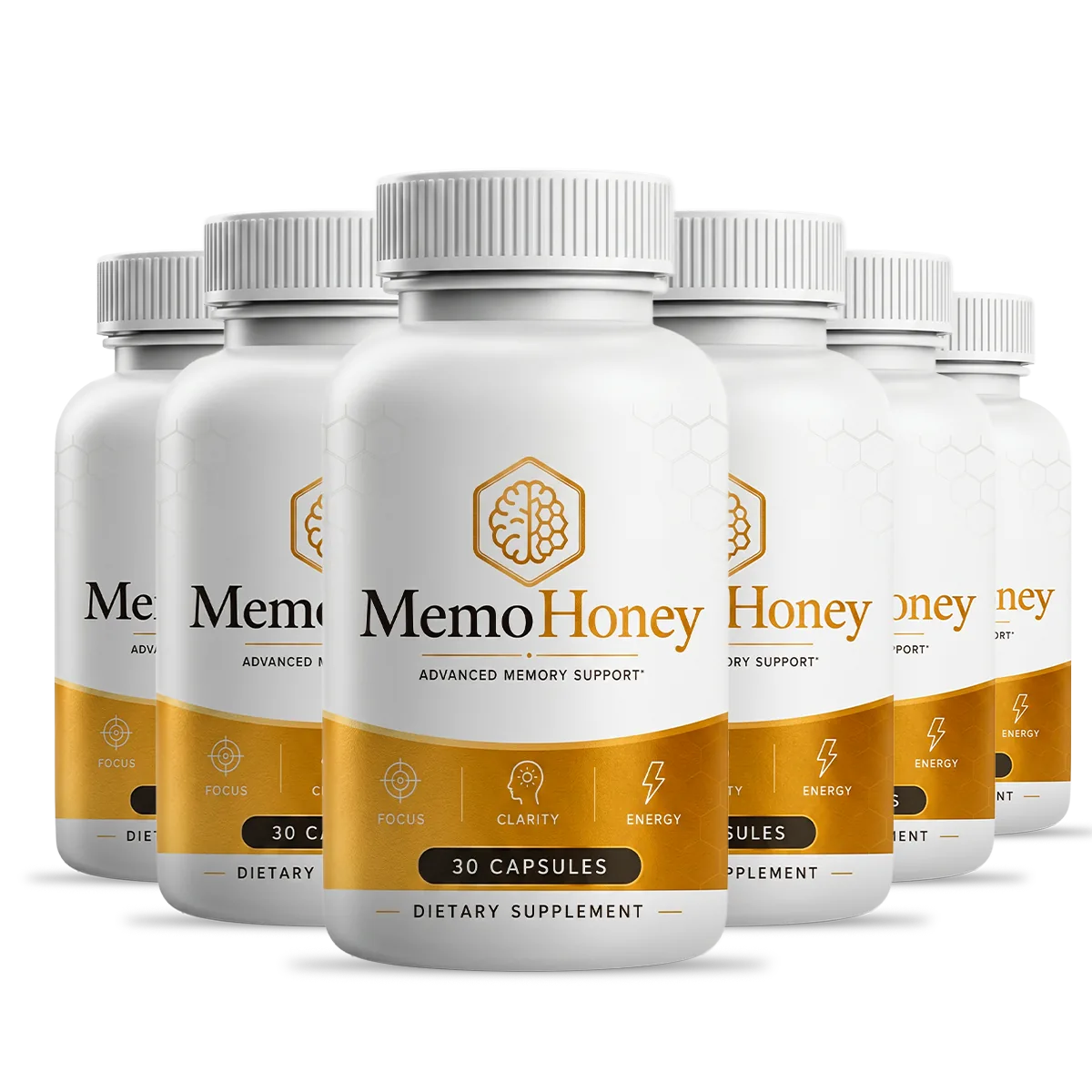
Make MemoHoney Part of Your Daily Focus Routine
A daily cognitive wellness formula built on six selected nutrients, taken as one capsule each morning. Free US shipping on the three and six-bottle packages, five digital bonuses on qualifying orders, and a 60-day satisfaction guarantee.
From $49 per bottle on six · 60-day guarantee · Stimulant-free formula