Nutrition and Mental Performance: The Boring Fundamentals
Blood sugar, hydration, omega-3s and alcohol — the four dietary variables that most affect day-to-day thinking, without a diet plan attached.
This article contains no meal plan and no diet name. Both tend to fail for the same reason: they demand a wholesale change that survives about three weeks. What follows is four variables that matter more than the rest, any of which can be adjusted independently.
Four Dietary Variables That Matter More Than MemoHoney
1. Blood sugar stability
The brain runs almost entirely on glucose and stores very little, which makes it unusually sensitive to how steadily that supply arrives.
A meal dominated by refined carbohydrate produces a rapid rise and corresponding fall, and the fall is the afternoon slump. Adding protein, fibre and some fat to the same meal flattens the curve considerably. You do not need to eliminate carbohydrate; you need to stop eating it alone.
2. Hydration
Mild dehydration reliably reduces alertness and increases the perceived effort of mental work. It is common and rarely identified. The eight-glasses figure has no real evidential basis and varies with body size, climate and activity — urine colour is a more practical indicator requiring no counting.
3. Omega-3 fatty acids
The brain is roughly sixty percent fat by dry weight, and DHA is a major structural component of neuronal membranes. That is established biology.
What the evidence supports is that adequate omega-3 intake matters. What it does not clearly support is that supplementing beyond adequacy improves cognition in healthy adults; trials have been mixed. Oily fish twice a week is the reasonable target, and it comes with the rest of the fish attached.
4. Alcohol
It affects thinking through several routes at once: degraded sleep quality, dehydration, and direct effects at higher intakes. Heavy long-term use is associated with measurable cognitive harm, and even moderate evening drinking has a next-day cost most people do not attribute correctly.
Dietary Patterns and Cognition Beyond MemoHoney
The most consistent finding in this field is not about any single nutrient. It is that overall dietary patterns emphasising vegetables, fruit, whole grains, legumes, nuts, fish and olive oil are associated with better long-term cognitive outcomes.
Two caveats. Most of this evidence is observational, which makes disentangling diet from the other habits that travel with it genuinely difficult. And the effects are population-level and long-term rather than something you will notice next Tuesday.
Where MemoHoney Sits Relative to Actual Food
The word supplement is accurate and worth taking literally. It supplements a diet; it does not substitute for one. Niacin is a genuine essential nutrient, but it is present in meat, fish, peanuts, legumes and fortified grains, and deficiency is uncommon in developed countries — which means additional intake helps less than the biochemistry might suggest.
The sensible sequence: get meal structure and blood sugar roughly right, then consider whether anything at the margins adds value. The other way round is expensive and impossible to evaluate.
When to Get Proper Advice Instead of Reading About MemoHoney
If you manage diabetes, kidney disease, or any condition where diet forms part of treatment, general articles are not the right source. A registered dietitian working from your actual situation is worth more than anything written for a general audience, including this.
Where MemoHoney fits. It is positioned as nutritional support around an existing diet, and the word supplement is doing exactly the work it appears to be doing. See what is in the formula or read how the daily routine works.
More From the MemoHoney Library
Everyday Habits That Support Better Mental Clarity
Six inputs that shape how clearly you think on an ordinary Tuesday, ordered by how much difference each usually makes.
Longevity · 12 minHealthy Aging and Cognitive Wellness: What Changes and What Does Not
What genuinely shifts in cognition with age, what is normal, what warrants a doctor, and which habits have the longest reach.
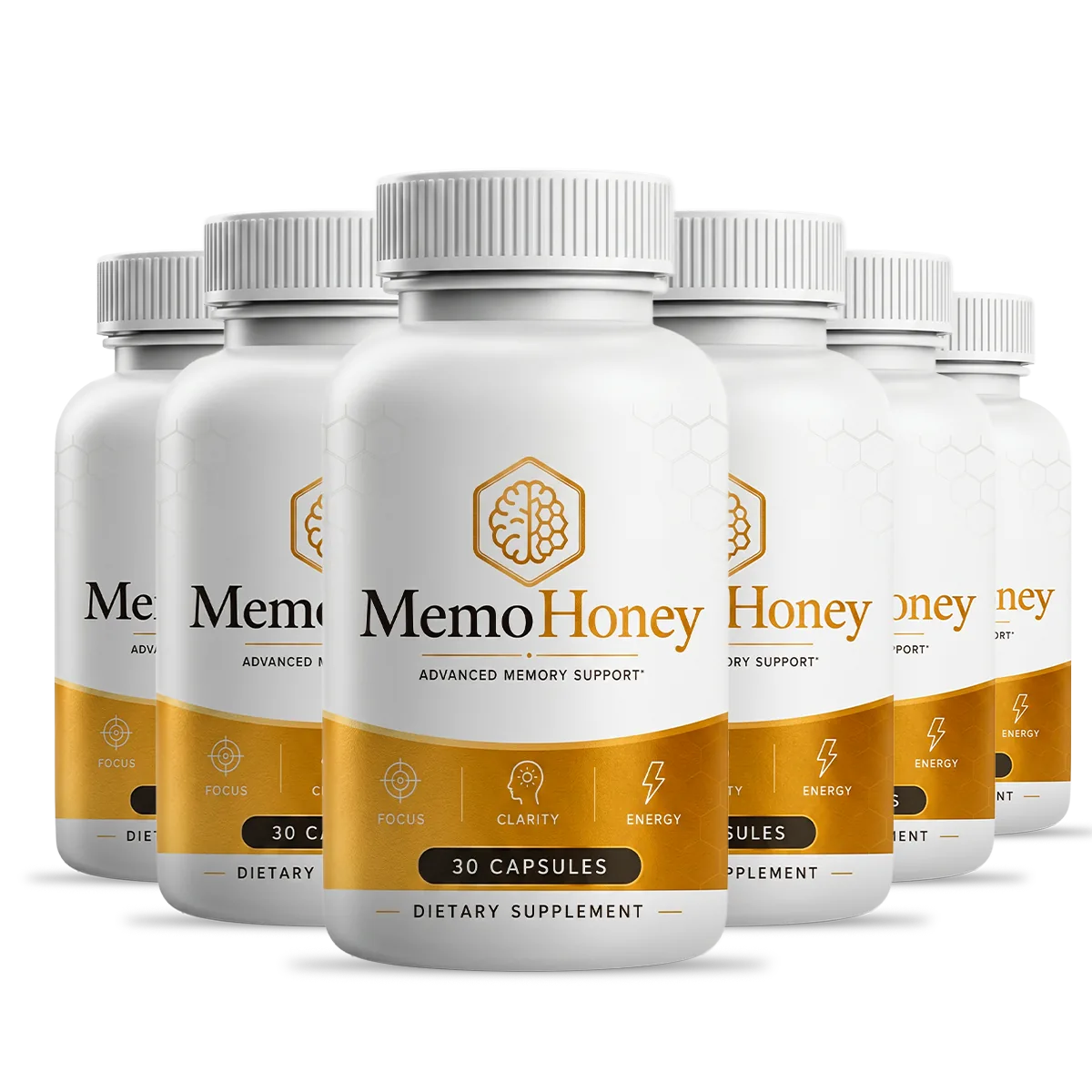
Make MemoHoney Part of Your Daily Focus Routine
A daily cognitive wellness formula built on six selected nutrients, taken as one capsule each morning. Free US shipping on the three and six-bottle packages, five digital bonuses on qualifying orders, and a 60-day satisfaction guarantee.
From $49 per bottle on six · 60-day guarantee · Stimulant-free formula